How do I know if my pool needs resurfacing?
09/01/2025
Protect Your Pool Investment with Timely Resurfacing
Your backyard pool is more than just a luxury—it’s a key part of your lifestyle, especially in sunny areas like Brentwood, CA. But over time, even the best-built pools start to show signs of wear. One of the most important maintenance tasks you can do to preserve your pool is resurfacing.
But how do you know when it’s time?
At Your Family Pool Service, we help homeowners recognize the signs of aging pool surfaces and offer expert resurfacing solutions to bring pools back to life. In this post, we’ll explain what resurfacing is, when it’s needed, and how to tell if your pool is due.
What Is Pool Resurfacing?
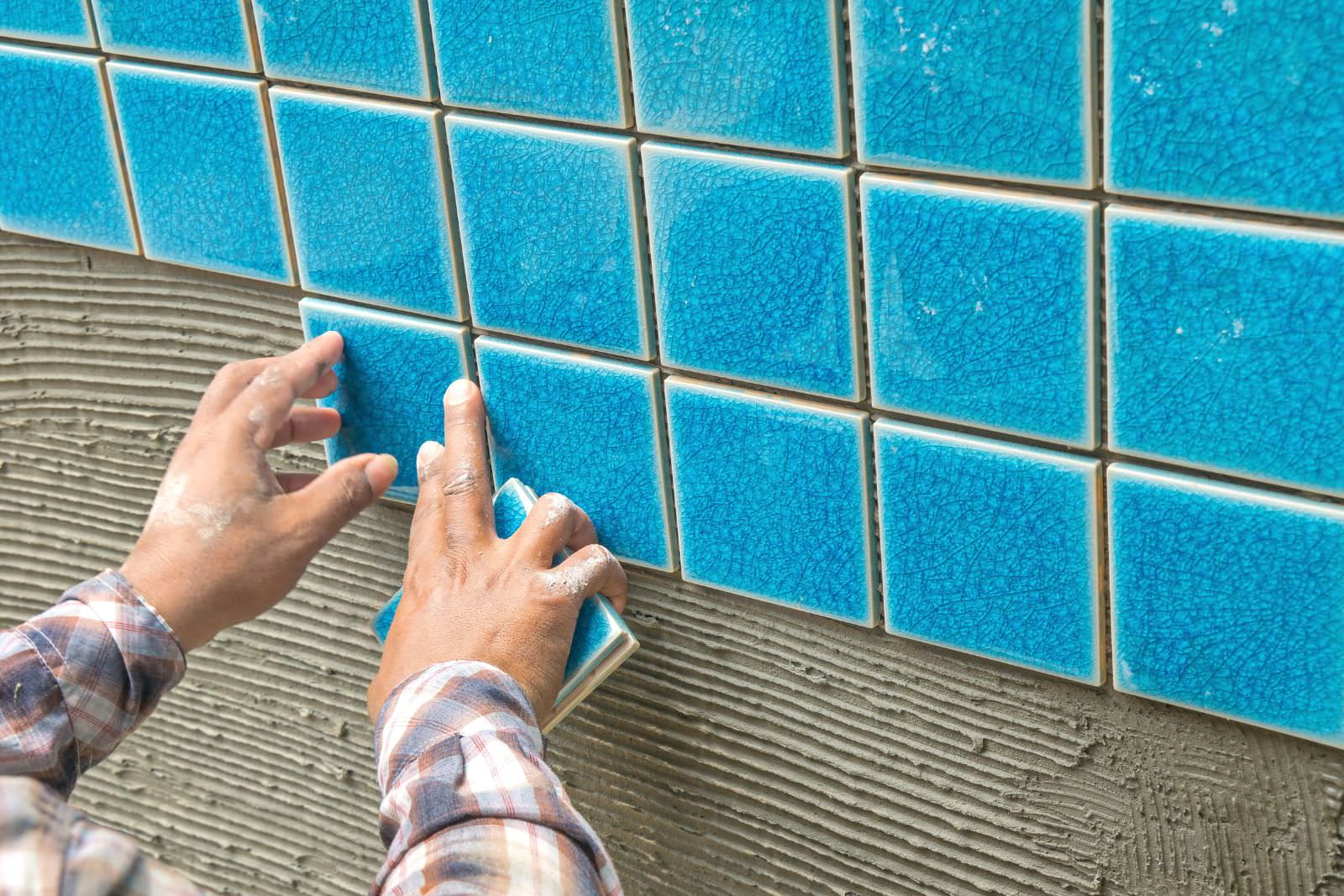
Pool resurfacing involves removing and replacing the top layer of your pool’s interior surface. This could be plaster, tile, pebble, quartz, or fiberglass, depending on your original finish.
Resurfacing:
- Repairs structural and cosmetic damage
- Restores a smooth, safe surface
- Improves water retention
- Enhances appearance and property value
It’s typically needed every 7 to 15 years, depending on usage, water chemistry, and surface type.
Top Signs Your Pool Needs Resurfacing
1. Staining That Won’t Go Away
Minor stains can be cleaned or acid-washed, but if you notice:
- Deep, discolored patches
- Rust or metal stains
- Organic stains that resist treatment
…it’s a sign that your pool’s surface is too worn or porous to clean effectively. Resurfacing can give it a fresh, uniform look.
2. Rough or Uneven Texture
Run your hand along the pool wall—does it feel gritty or sharp? Aging plaster or pebble finishes often become abrasive, which can:
- Cause skin scrapes and irritation
- Damage swimsuits or pool equipment
- Indicate underlying surface erosion
A smooth finish is not just about comfort—it’s also about safety.
3. Visible Cracks or Surface Flaking
Hairline cracks might seem minor, but they can lead to:
- Leaks and water loss
- Algae growth in hidden crevices
- Larger structural issues over time
Surface flaking, also known as spalling, is common with older plaster and is a clear signal that resurfacing is overdue.
4. Water Loss or Difficulty Maintaining Chemistry
Are you topping off your pool more often than usual? Losing water—without signs of evaporation—may mean your pool shell is compromised.
Also, if you find it hard to keep your pH, chlorine, or alkalinity levels stable, your aging surface could be the culprit. Damaged surfaces absorb chemicals, throwing your balance off and driving up maintenance costs.
5. Outdated Appearance
Even if your pool is structurally sound, an old finish can make your entire backyard look tired. Resurfacing allows you to:
- Update your style with modern finishes (quartz, pebble, glass bead)
- Improve lighting effects and water color
- Increase your home’s curb appeal and resale value
Think of it as a makeover that also enhances performance.
How Often Should Pools Be Resurfaced?
Here’s a general guideline:
| Surface Type | Average Lifespan |
|---|---|
| Plaster | 7–10 years |
| Quartz | 10–15 years |
| Pebble | 15–20 years |
| Fiberglass | 15+ years |
Factors like sun exposure, usage, chemical levels, and maintenance habits can all shorten or extend your surface’s life.
Don’t Ignore the Signs—Here’s Why
Waiting too long to resurface can lead to:
- More expensive repairs (like rebar rust or shell cracking)
- Higher water bills from leaks
- Unsafe swimming conditions
- A pool that's difficult or costly to maintain
Catching issues early and scheduling a resurfacing project ensures your pool remains a safe, attractive, and fun place to enjoy.
What to Expect with Resurfacing
At Your Family Pool Service, we handle the resurfacing process from start to finish:
- Inspection & Estimate – We assess your current surface and provide honest recommendations.
- Drain & Prep – We safely drain your pool, remove the old surface, and prepare the shell.
- Apply New Surface – Choose from plaster, pebble, quartz, or specialty finishes.
- Curing & Refill – After a brief cure period, we refill your pool and balance the water chemistry.
- Ongoing Maintenance Guidance – We help you protect your new surface for years to come.
Most resurfacing projects are completed within 7–10 days, depending on surface type and conditions.
Final Thoughts: A Smooth Surface = A Better Pool
If your pool feels rough, looks worn, or is difficult to maintain, resurfacing could be the answer. Think of it as routine healthcare for your pool—a necessary refresh that protects your investment and enhances your outdoor living experience.
At Your Family Pool Service, we treat your pool like our own—with honesty, quality workmanship, and a commitment to customer care.
Call to Action
Wondering if it’s time to resurface your pool? 📞 Contact Your Family Pool Service today for a free evaluation and personalized resurfacing quote. Let us restore your pool to its original beauty—safely and professionally.
Contact Us
We would love to hear from you! Fill out the form below and we will get back to you soon!