
How to Choose Energy-Efficient Pool Equipment
07/01/2024
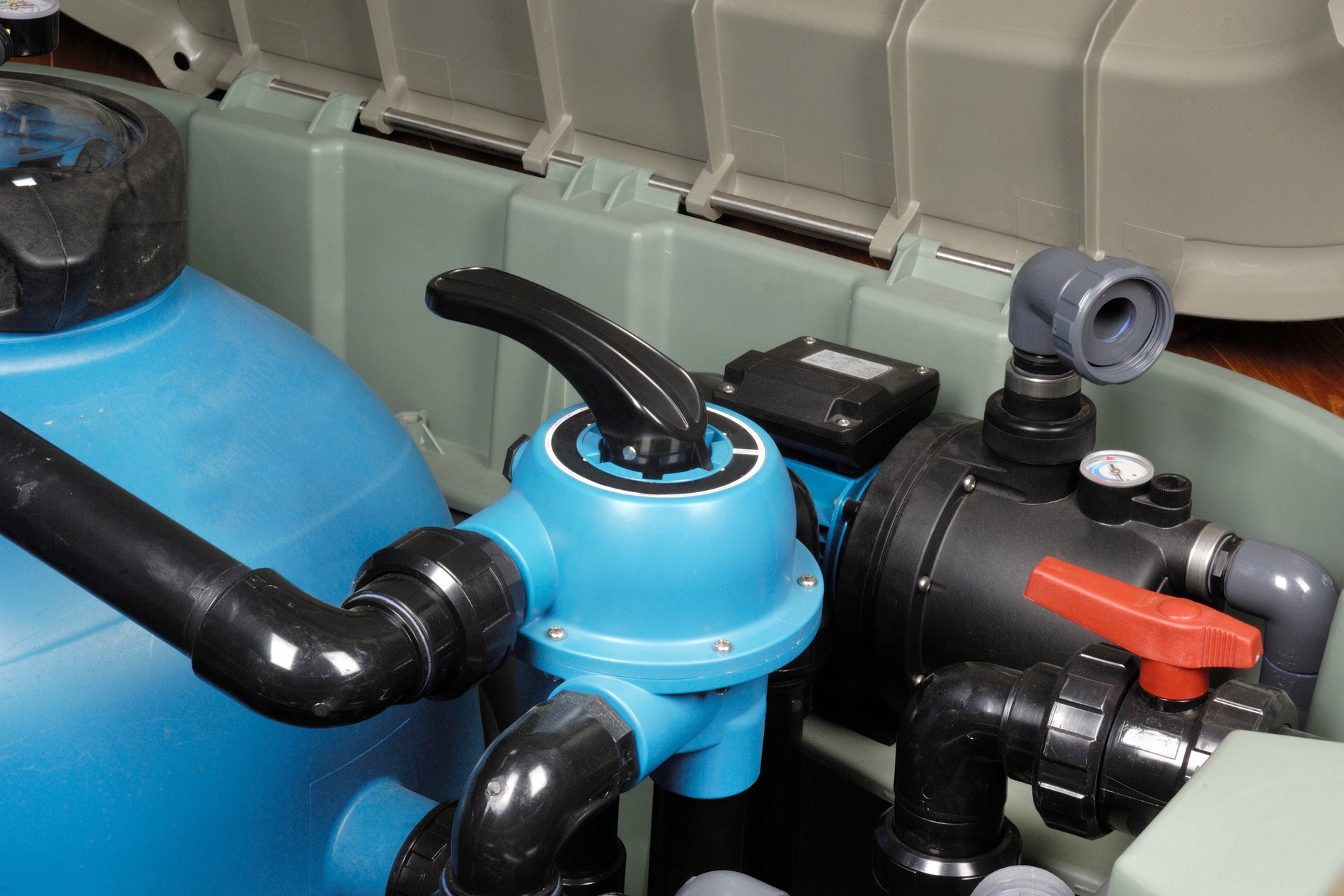
Owning a pool can bring endless enjoyment to your family and friends, but it also comes with a financial and environmental responsibility. Pool equipment, such as pumps, heaters, and filtration systems, consumes a significant amount of energy. Fortunately, by choosing energy-efficient pool equipment, you can reduce your energy consumption, lower utility bills, and lessen your environmental impact.
In this article, we’ll guide you through the key factors to consider when selecting energy-efficient pool equipment to help you make informed decisions for a greener and more cost-effective pool experience.
1. Energy-Efficient Pool Pumps
The pool pump is one of the largest energy consumers in your pool setup, so investing in an energy-efficient pump can significantly reduce energy usage. Pool pumps come in various types:
- Single-speed pumps: These pumps operate at a constant speed, regardless of the pool's specific needs, resulting in excess energy consumption.
- Dual-speed pumps: These pumps offer a low and high setting, allowing you to choose the lower setting when less power is needed, reducing energy consumption.
- Variable-speed pumps: Variable-speed pumps are the most energy-efficient option. They allow you to adjust the speed based on the specific needs of your pool, saving up to 90% of energy compared to single-speed pumps.
Why Choose a Variable-Speed Pump?
Variable-speed pumps are designed with advanced motor technology, enabling them to operate at different speeds based on pool conditions. This flexibility allows the pump to run at a lower speed for regular filtration, saving energy while maintaining water clarity. Additionally, variable-speed pumps tend to last longer than their single-speed counterparts due to reduced wear and tear.
Pro Tip: Look for pumps with the ENERGY STAR® label, as they meet strict energy efficiency criteria set by the U.S. Environmental Protection Agency.
2. Energy-Efficient Pool Heaters
If you live in a cooler climate or enjoy swimming year-round, you’ll likely need a pool heater. Traditional pool heaters can be energy hogs, but modern energy-efficient options can help you enjoy a warm pool without skyrocketing energy costs.
Types of Energy-Efficient Pool Heaters:
- Solar pool heaters: Solar heaters are the most eco-friendly and energy-efficient option. They use the sun’s energy to heat your pool, significantly reducing operational costs. While they require an upfront investment, solar heaters typically pay for themselves over time.
- Heat pumps: Heat pumps use electricity to capture heat from the air and transfer it to the pool water. They are much more energy- efficient than gas heaters and work best in moderate climates.
- Gas heaters: Although gas heaters heat pool water quickly, they are the least energy-efficient option. If you’re focused on energy savings, it’s best to consider a heat pump or solar heater instead. ### Choosing the Right Heater for Your Pool
Consider factors such as your climate, pool size, and swimming habits when selecting a pool heater. Solar heaters may be ideal for sunny regions, while heat pumps are better suited for areas with moderate temperatures.
Pro Tip: To further improve energy efficiency, invest in a pool cover to retain heat and reduce the need for extended heater use.
3. Energy-Efficient Pool Filters
Filtration systems are essential for keeping your pool water clean and clear, but not all filters are created equal when it comes to energy efficiency. The three most common types of pool filters are:
- Sand filters: These are the most basic and affordable option, but they require more energy to operate as they tend to restrict water flow. - Cartridge filters: Cartridge filters are more energy-efficient than sand filters as they allow water to pass through more easily, reducing the strain on the pool pump.
- Diatomaceous earth (DE) filters: DE filters provide the best filtration performance but require more maintenance. They are also more energy-efficient than sand filters, making them a good choice for eco-conscious pool owners.
Selecting the Right Filter for Energy Efficiency
When choosing a filter, opt for one that is large enough for your pool to reduce the load on your pump. A properly sized filter minimizes the amount of work the pump has to do, leading to lower energy consumption. Cartridge filters are often the best balance between energy efficiency and maintenance.
Pro Tip: Clean your pool filter regularly to maintain optimal performance and energy efficiency.
4. Energy-Saving Pool Lighting
While pool lighting adds ambiance and safety, traditional incandescent bulbs can consume a lot of energy. Switching to energy-efficient lighting options can dramatically reduce energy costs.
Benefits of LED Pool Lighting
- Energy efficiency: LED bulbs use up to 80% less energy than incandescent bulbs, making them a highly energy-efficient option for pool lighting.
- Long lifespan: LED lights last much longer than traditional bulbs, reducing the need for frequent replacements.
- Customizable colors: Many LED pool lights offer customizable color options, allowing you to create a unique lighting experience without increasing energy consumption.
Pro Tip: Install timers or smart lighting controls to automatically turn off pool lights when they’re not in use, further reducing energy consumption.
5. Automation Systems for Energy Efficiency
Pool automation systems allow you to control your pool equipment remotely and ensure that everything runs as efficiently as possible. With an automation system, you can schedule your pool pump, heater, and lights to operate during off-peak hours, reducing your energy costs.
Benefits of Pool Automation
- Optimized scheduling: Automation systems let you program your pool equipment to run at optimal times, minimizing energy waste.
- Convenient control: Many systems come with smartphone apps, allowing you to monitor and adjust your pool’s settings from anywhere. - Energy savings: By reducing the manual oversight of pool equipment, automation systems help you maximize energy efficiency and avoid unnecessary energy consumption.
Pro Tip: Consider integrating your pool automation system with your home’s smart energy system for seamless energy management.
6. Regular Pool Maintenance for Efficiency
Maintaining your pool equipment is essential for energy efficiency. Even the most energy-efficient equipment can become inefficient if not properly maintained. Follow these maintenance tips to ensure your pool equipment operates at peak efficiency:
- Clean your pool filter regularly to prevent clogging and improve water flow.
- Check for leaks in your pool’s plumbing and equipment to avoid water loss and increased energy consumption.
- Inspect and replace worn-out parts on your pump, heater, and filter to ensure they are functioning optimally.
- Balance your pool’s water chemistry to prevent damage to your pool equipment and reduce the need for excessive cleaning or filtration.
Conclusion
Choosing energy-efficient pool equipment is a smart investment for both your wallet and the environment. By upgrading to a variable-speed pump, energy-efficient heater, LED lighting, and automation systems, you can significantly reduce your pool's energy consumption while still enjoying a clean and comfortable swimming experience. Additionally, regular maintenance will help you maximize the efficiency and lifespan of your equipment.
With the right choices, you can have an eco-friendly pool that provides endless enjoyment without the high energy costs.
Contact Us
We would love to hear from you! Fill out the form below and we will get back to you soon!